Skip to content

-
First-Time Homebuyer Checklist Buying your first home is an exciting milestone, but the mortgage process can feel overwhelming if you don’t know what to expect. This step-by-step checklist will help you stay organized, confident, and fully prepared throughout your homebuying journey.
Check Your Credit Score
Your credit score is one of the most important factors in determining your mortgage approval and interest rate.
Before applying:
-
Review your full credit report
-
Identify and fix any errors or inaccuracies
-
Work on improving your score as much as possible
A higher credit score can save you thousands in interest over the life of your loan.
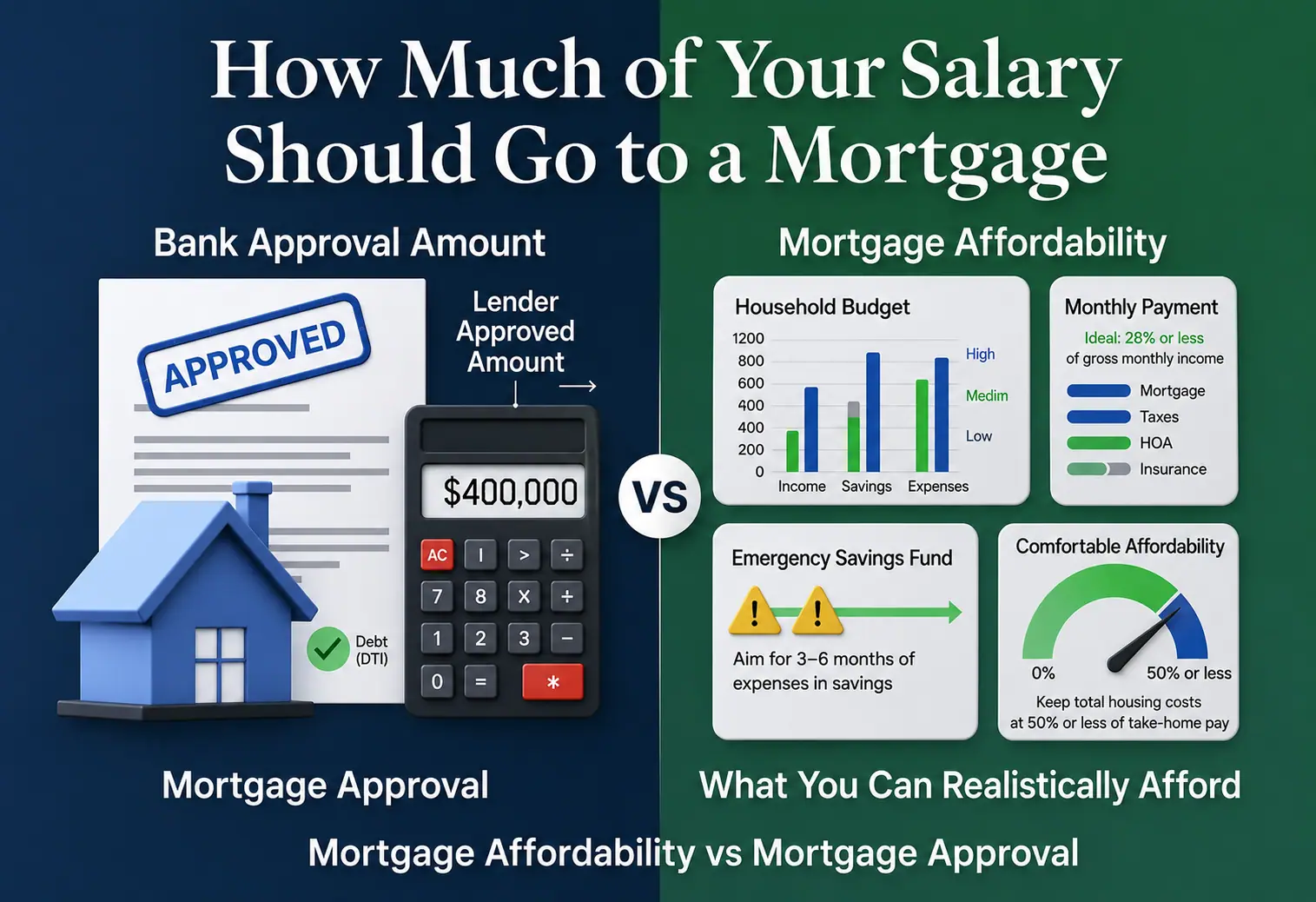
Determine Your Budget
Knowing how much home you can afford prevents financial stress later.
Make sure to:
-
Analyze your monthly income and expenses
-
Estimate your potential mortgage payment
-
Factor in property taxes, insurance, and maintenance costs
A realistic budget keeps your investment sustainable.
Save for a Down Payment
Your down payment depends on the type of loan you choose.
Common options include:
-
FHA loans: as low as 3.5%
-
Conventional loans: as low as 3%
-
Larger down payments can reduce your monthly payments and interest costs
Start saving early to increase your flexibility.
Gather Required Documents
Lenders need documentation to verify your financial stability and eligibility.
Prepare these in advance:
-
Recent pay stubs
-
W-2 forms or tax returns
-
Bank statements
-
Valid identification
Having everything ready speeds up the approval process.
Get Prequalified
Prequalification is a quick way to understand how much you can borrow.
Benefits include:
-
Helps set a realistic home search range
-
Makes you a more attractive buyer to sellers
-
Simplifies the buying process
It’s one of the smartest first steps you can take.
Explore Loan Options
Not all mortgages are the same, so choosing the right one matters.
Popular options include:
-
FHA loans (great for lower credit scores)
-
Conventional loans (ideal for strong financial profiles)
-
VA loans (for eligible veterans and service members)
-
Investment property loans (if you’re planning rental income)
Compare terms carefully before deciding.
Work With a Real Estate Agent
A skilled real estate agent can make the entire process smoother and less stressful.
They help you:
-
Understand your local housing market
-
Find properties that match your needs
-
Negotiate offers and manage paperwork
Having an expert on your side is a major advantage.
Budget for Closing Costs
In addition to your down payment, you’ll need to cover closing costs.
Typically:
-
Range from 2% to 5% of the purchase price
-
Include lender fees, title charges, and taxes
Planning ahead avoids last-minute surprises.
Lock in Your Interest Rate
Once your offer is accepted, you may be able to lock in your mortgage rate.
This helps:
-
Protect you from rising interest rates
-
Provide predictable monthly payments
Timing can make a big difference here.
Final Review and Closing
This is the final step where ownership officially transfers to you.
Make sure to:
-
Carefully review all loan documents
-
Confirm your interest rate and terms
-
Sign paperwork and receive your keys
Congratulations—you’re officially a homeowner!
Take the Next Step
Ready to start your homebuying journey? Begin with a quick prequalification to understand your budget and loan options. With the right preparation, you can move forward confidently and secure your dream home.
-

Want a Construction Loan Next Year? Start Preparing for It Today
A 12-month, 6-month, 90-day and 30-day checklist for builders and investors who want their next construction loan to close without surprises.